
Search Kenosha Criminal History
Kenosha Criminal History records can start at city police, move through municipal court, or end up in Kenosha County circuit court. The right path depends on the record you need. A police report, a city citation, and a circuit case file are not the same thing. Kenosha gives each one its own office, and that makes the search easier once you know where to begin. Start with the office that created the record, then use state tools if you need a wider Wisconsin check or a docket trail across county lines.
Kenosha Criminal History Overview
Kenosha Criminal History Records
Kenosha is a good example of how Wisconsin records split by office. The Kenosha Police Department handles city police reports and public records requests. The Kenosha Municipal Court handles city ordinance, traffic, and parking cases. The Kenosha County Clerk of Circuit Court handles circuit criminal cases. When you know which layer you need, the search gets much faster.
That split matters because the same name can appear in more than one place. A city report may show an event. A municipal court record may show a ticket. A circuit court file may show the full criminal case. WCCA at wcca.wicourts.gov gives you the docket view, but the actual paper copy still belongs to the office that keeps the file. That is why a Kenosha Criminal History search should begin with the record type, not just the city name.
Kenosha also has a useful records bridge in Kenosha Joint Services Records. That office serves both Kenosha Police and the Kenosha County Sheriff. It is a practical stop when you need a records form, a copy path, or a place to ask about a report that started with law enforcement rather than court. In a city as active as Kenosha, the record trail can move quickly from one desk to another.
Kenosha Criminal History at City Police
The manifest source for this Kenosha image is Kenosha Police. It is the cleanest local entry point when a search starts with a city report or a law enforcement record.
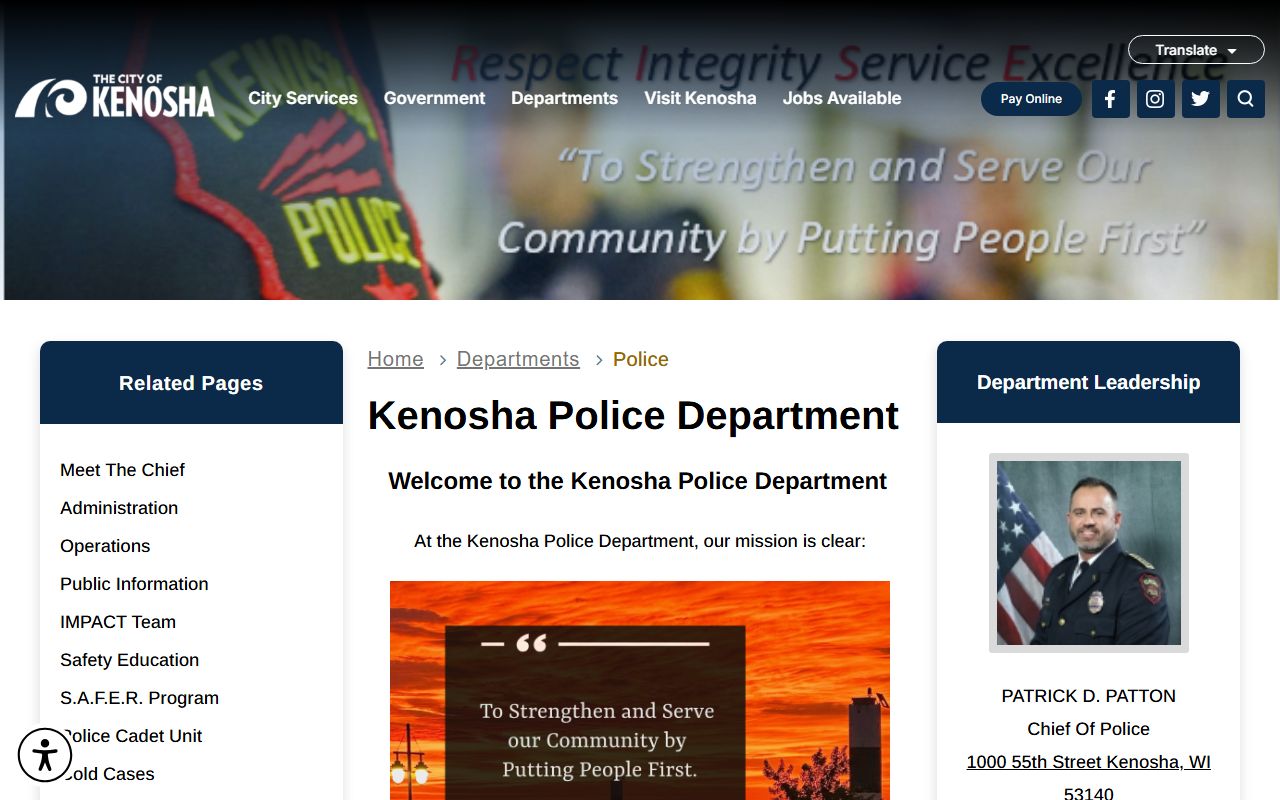
That page fits the city police step in a Kenosha Criminal History search because it points you to the office that actually holds the report.
The police records unit takes requests by mail, fax, phone, or in person. The office lists a copy fee of $0.03 per page, and requests over $5 require upfront payment. Processing usually takes 7 to 10 business days. That schedule is not fast, but it is direct. If you know the date, place, or names involved, you make the request easier to process.
Police records are useful because they give you the first layer of the story. They can show arrest records and incident reports, which often help you decide whether you need a county docket or a city citation next. When a search is moving in the right order, the city desk can save time.
Kenosha Joint Services Records adds another helpful lane. Its records form is online, and the office serves both police and sheriff material. That matters when one request needs more than one local law enforcement source. The same building and the same general contact point can still lead to different records, so the form and the office name both matter.
Kenosha Criminal History in County Court
Kenosha County circuit criminal cases run through the clerk of circuit court at Kenosha County Clerk of Circuit Court. That office is at the county courthouse on 56th Street and has public access terminals, WCCA search access, and a direct path for certified copies. It is the place to use when the search moves from a police event or city ticket to a circuit court file.
The county clerk can help with case lookups, copy requests, and the search fee when you do not have a case number. That matters because the county clerk is the office that can pull the file itself. If WCCA shows a docket, the clerk can usually take the search one step farther. The county office also fits the 2nd Judicial District structure, which helps place the record in the right part of the Wisconsin court system.
Municipal court is still a separate lane. If the matter stayed at the city level, the Kenosha Municipal Court is the right desk for ordinance, traffic, and parking cases. That office is not a replacement for the county clerk. It is the city side of the search, and it helps when a person only needs a ticket history or a city court payment path.
When the record is a circuit criminal case, the county clerk is the anchor. When the record is a city citation, municipal court is the anchor. When the record is a police report, the police records desk is the anchor. That is the easiest way to avoid a slow Kenosha Criminal History search.
Kenosha Criminal History Source Pages
The state record check page at Wisconsin DOJ CIB is the statewide source when a Kenosha search has to go beyond one city office. It explains the role of the Crime Information Bureau and the statewide record check process.
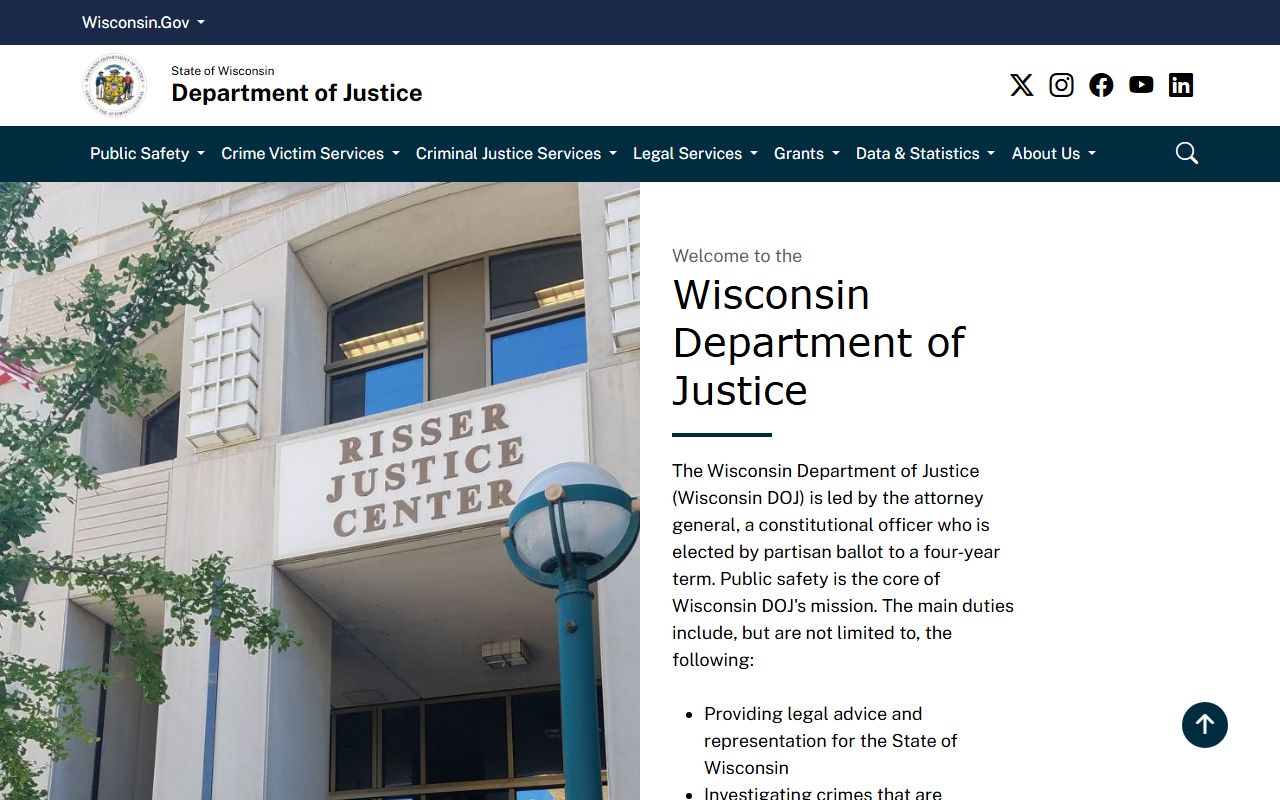
That screen matters because Kenosha searches sometimes need a broader Wisconsin check, not just a local report.
The public name-based check at WORCS is the fast state route when you need a Wisconsin criminal history result. It is useful when you want a wider result than one city or one county can give you.
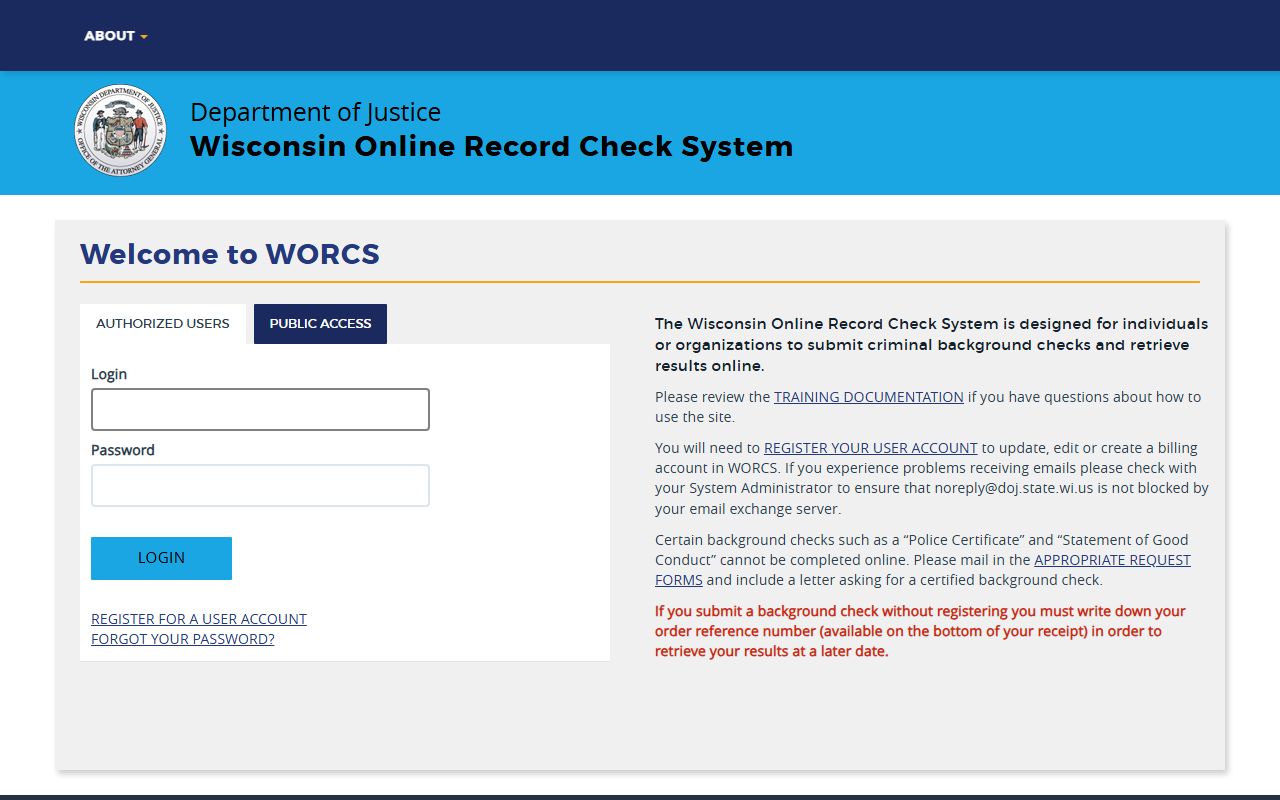
WORCS is a practical follow-up when the local Kenosha office does not answer the whole question.
The court-side portal at WCCA gives docket access across Wisconsin circuit courts, while WSCCA handles the appellate side. The county search path is different in each system, so the distinction matters.
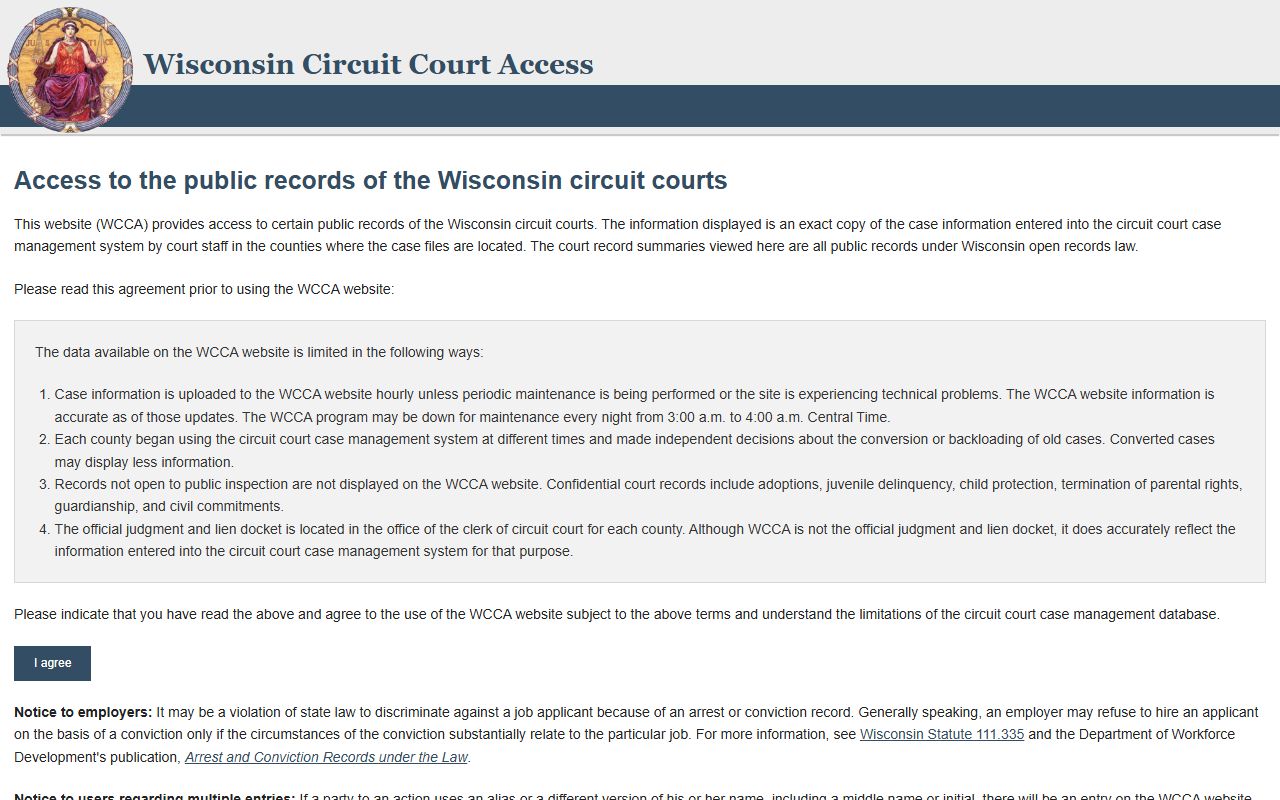
That court screen helps when a Kenosha case is easier to find by docket than by a paper request.
What Helps a Kenosha Search
Good details make the search faster. They also cut down on false matches. A little prep goes a long way.
- Full name of the person or party
- Approximate date or year of the event
- Street, court, or report clue
- Case number if you already have it
If you are not sure where the record sits, start with police, then move to municipal court, then the county clerk, then the state tools. That order keeps the work in the right lane. It also helps you avoid asking a city office for a county file or a county office for a police report.
Wisconsin law gives the frame for access. Chapter 19 of the Wisconsin Statutes sets the public records rule, and section 165.82 explains the Crime Information Bureau role in criminal history records. Those rules matter when one record is open and another is redacted or sealed. They also explain why a docket is not the same thing as a full file.
Kenosha Criminal History research works best when you match the office, the record type, and the time period before you send the request. That keeps the search simple and the result cleaner.