
Wisconsin Cities Criminal History
Wisconsin Criminal History searches at the city level usually begin with a police records desk or a municipal court, then move to the county clerk when the case reaches circuit court. That is the normal path because city offices handle city reports and city tickets, while county offices handle the criminal case file. The city pages in this guide help you find the right office for each place. They also show where county court and state tools fit when the city record is not enough by itself.
Wisconsin City Search Overview
Wisconsin Criminal History by City
City pages are built around the local office that sees the first version of the record. In many places that is the police records desk. In others it is the municipal court. Some cities also point you to the county clerk for circuit criminal cases, because the county is the office that keeps the court file. That is why city pages are useful even when the search will end at the county level.
The state tools still help. WCCA at wcca.wicourts.gov shows the circuit docket. WORCS at recordcheck.doj.wi.gov is the statewide name check. The Department of Justice Crime Information Bureau page at doj.state.wi.us explains how Wisconsin stores criminal history data. That mix gives you the city, county, and state layers in one search path.
City pages also help with the small things that matter. One city may take requests in person only. Another may accept mail and phone requests. One city may charge a small copy fee. Another may provide online citation payment or an open records desk with a set schedule. Those details save time and keep a Wisconsin Criminal History search from turning into guesswork.
Wisconsin Criminal History City Tools
The Wisconsin State Law Library directory at wilawlibrary.gov is a good fallback when you need county support behind a city search.
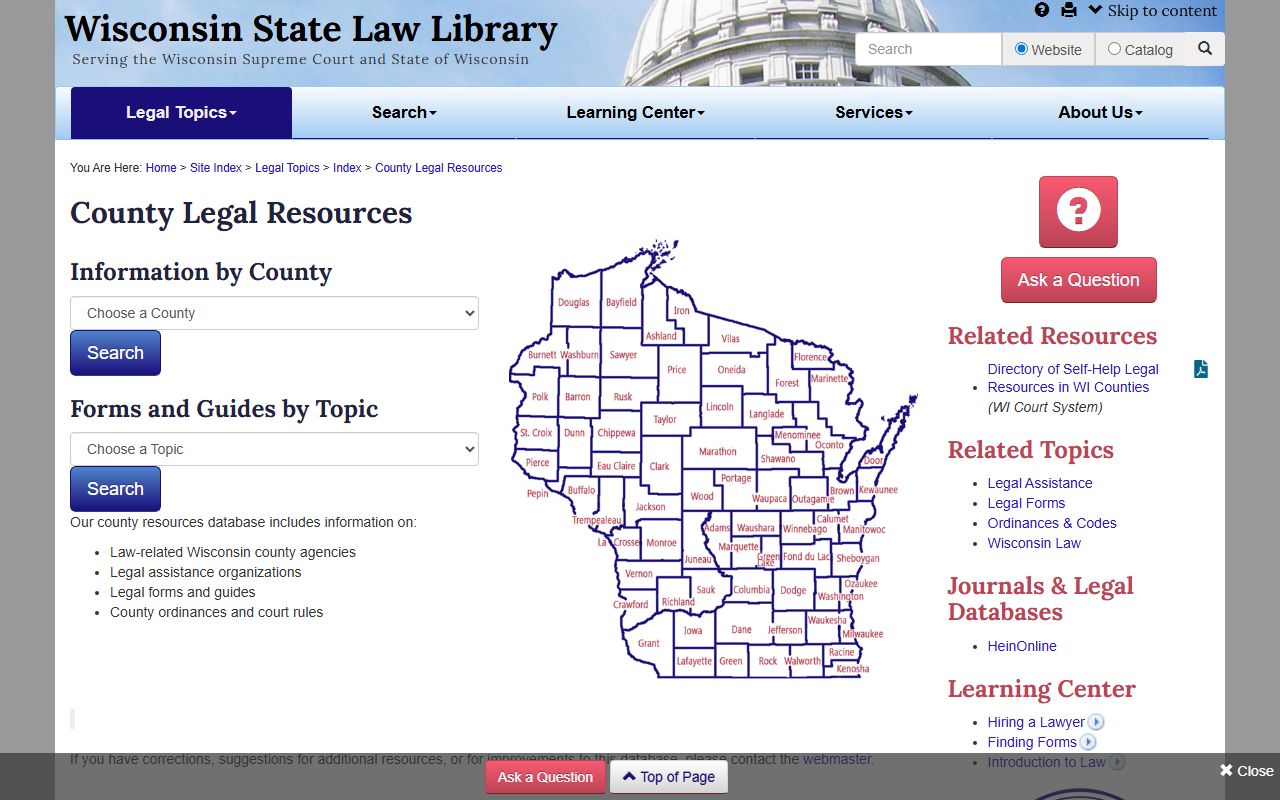
It helps connect a city page to the county office that keeps the case file.
The DOJ Crime Information Bureau page at Wisconsin DOJ CIB shows the statewide criminal history system that sits behind the city record path.
That screen matters when a city search needs a broader Wisconsin check.
The circuit court portal at WCCA and the appellate portal at WSCCA help when the city record leads to a county docket or an appeal.
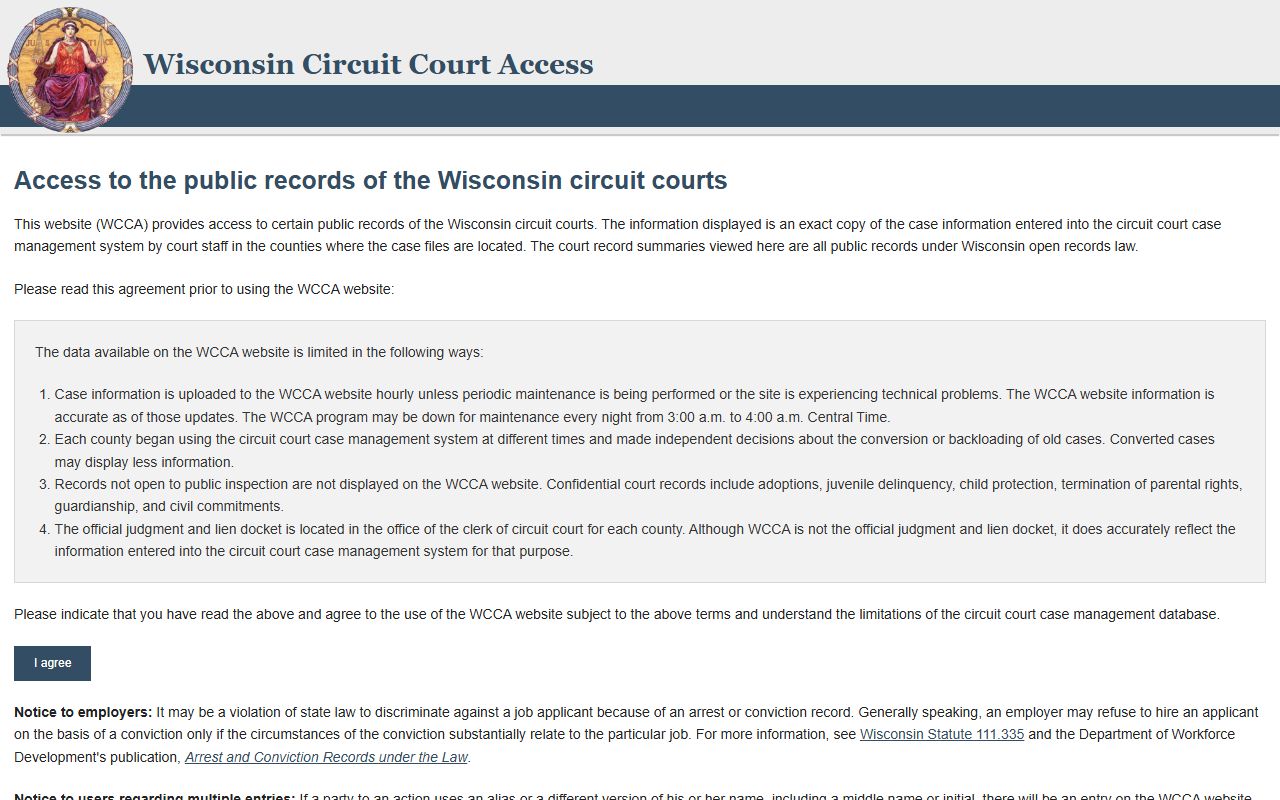
Those court pages are the bridge from a city request to a county case file.
City Criminal History Search Tips
City searches are easier when the request is narrow. A clean search starts with a few facts and a clear record type.
- Full name of the person or party
- Approximate year or date range
- City name and the office you think holds the record
- Case number if you already have it
- Whether you need a report, a docket, or a copy
If you start with police, you can move to municipal court if the matter was a city citation. If you start with municipal court, you can move to the county clerk if the case became a circuit criminal file. That order keeps the work clean. It also helps you avoid asking a city desk for a county file or a county clerk for a local police report.
Wisconsin public records law and the Crime Information Bureau statute shape what you can see and how you can ask for it. Some records are open. Some are redacted. Some are held back because another law says they should be. A city page cannot change that, but it can point you to the right office and the right path.
Browse Wisconsin Criminal History City Pages
Use the city links below to get to the local office that fits the search. Each city page focuses on police records, municipal court, county court, and the state tools that help with a city-based search.
City Criminal History Search Help
The city list works because it sends you to the office that holds the first record. That may be a police records desk, a municipal court, or a county clerk tied to that city. Once you know which office fits the record, the city page gives you the address, the request method, and the local notes that matter.
For broader searches, the state tools still play a part. WORCS gives you the Wisconsin name-based check. WCCA gives you the circuit docket. DOC gives you the supervision lookup. The Wisconsin Court System forms page at wicourts.gov/forms1/circuit.htm helps when a record request needs a form or a challenge.
City pages are small by design, but they are useful because they get you to the right office fast. A city Criminal History search is usually about speed, clarity, and the right local desk. That is what these pages are built to support.
Wisconsin Criminal History City Steps
A city search usually begins with the local police records desk because that is where the first report lives. If the matter stayed in ordinance or traffic court, the municipal court can show the city case. If the case moved into circuit court, the county clerk becomes the next stop. That flow is the same across Wisconsin, even when the city names and office hours change.
City pages also help you keep the offices straight. A police department may handle incident reports. A municipal court may handle citations. The county clerk may handle the criminal case file. A state check may show a wider record trail that the city desk cannot see. When the record type is clear, the search is much less likely to stall.
That is why the city pages in this guide focus on local starts and county follow-through. They are short enough to scan quickly, but specific enough to point you toward the right desk on the first try.
Most city offices do not keep every record forever in one place. Some move older files to the county clerk, some use a separate records unit, and some send you to the circuit court once the case leaves municipal court. That is normal in Wisconsin. It also means a city Criminal History search is rarely just one click or one phone call.
Use the city page as the starting map. If you need the police report, stay with police. If you need the citation, stay with municipal court. If you need the criminal case file, move to the county clerk. If you need a statewide check, use WORCS or WCCA. That chain keeps the search clean and keeps the record path clear.
That is the safest way to search Wisconsin cities without losing time.